Hypocalcemia with Hypomagnesemia

HOSP # WARD Internal Medicine ward
CONSULTANT   George vd Watt / Heleen Vreede / David Marais DOB/AGE 58 y Male

Abnormal Result

Upon signing out blood results:

Calcium = 1.41 mmol/L – Critically low Calcium result

Magnesium = 0.37 mmol/L – Critically low Magnesium

Presenting Complaint

Loss of breath initially accompanied by weight loss.

Upon admission to the ward, patient was slightly delirious, but still able to walk and talk.

History

Patient with metastatic lung cancer and accompanying hypercalcemia, a week prior to the results as at present.

Doctor has given IV Bisphosphonate after the hypercalcemia was noted a week prior (Calcium = 4.23 mmol/L; Alb = 21 g/L; Corrected Ca = 4.61 mmol/L)

Examination

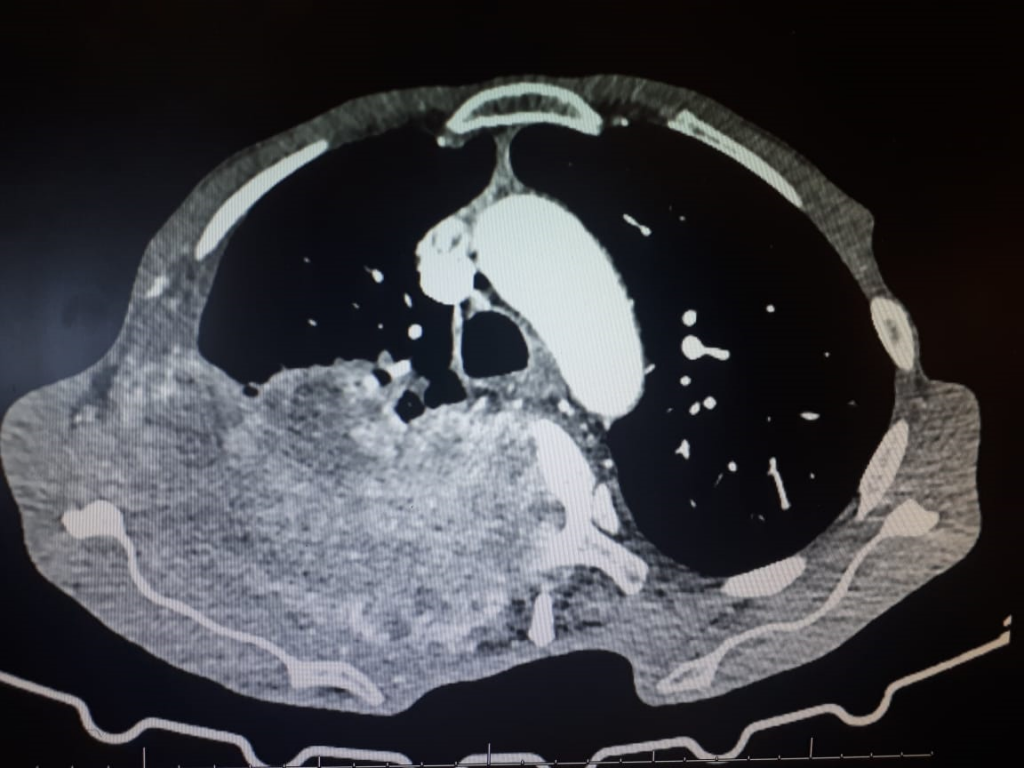
Extensive Crepitations over all the right lung fields.

Laboratory Investigations
Other Investigations
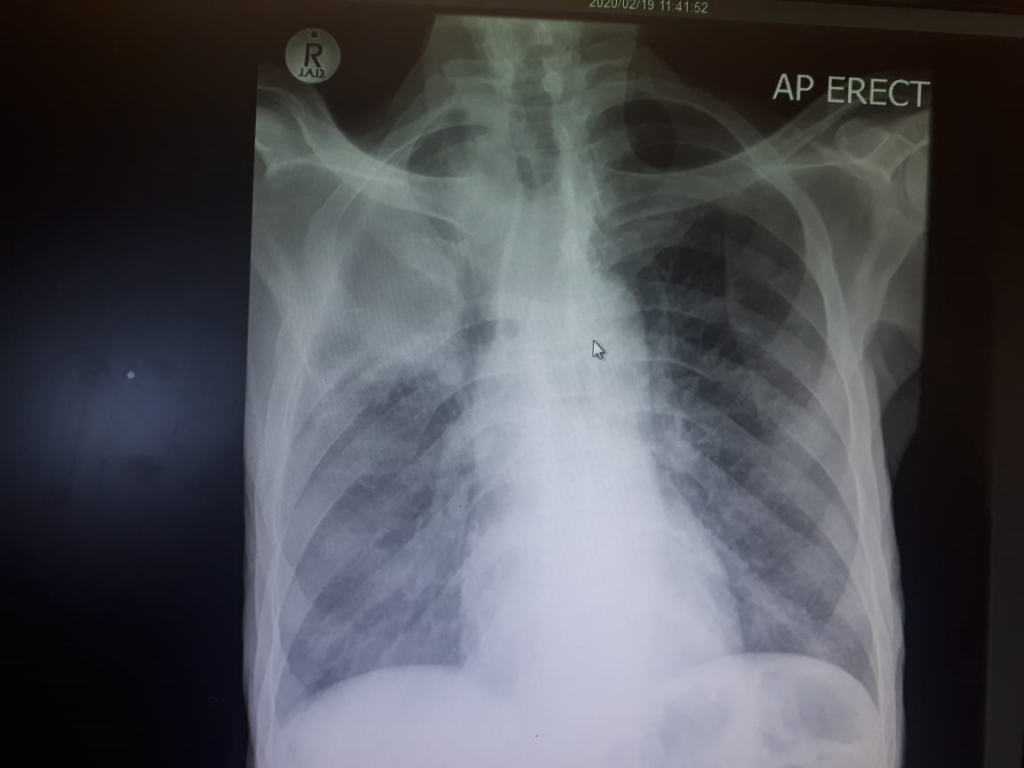
Chest X-Ray AP erect 19/02/2020
CT thorax

Final Diagnosis

Invasive lung CA with “hungry bones” after IV Zolendronic Acid

Vitamin D deficiency, preventing Calcium absorbtion after the Zolendronic acid started its action of inhibiting bone resorption.

Take Home Messages

CA causes hypercalcemia

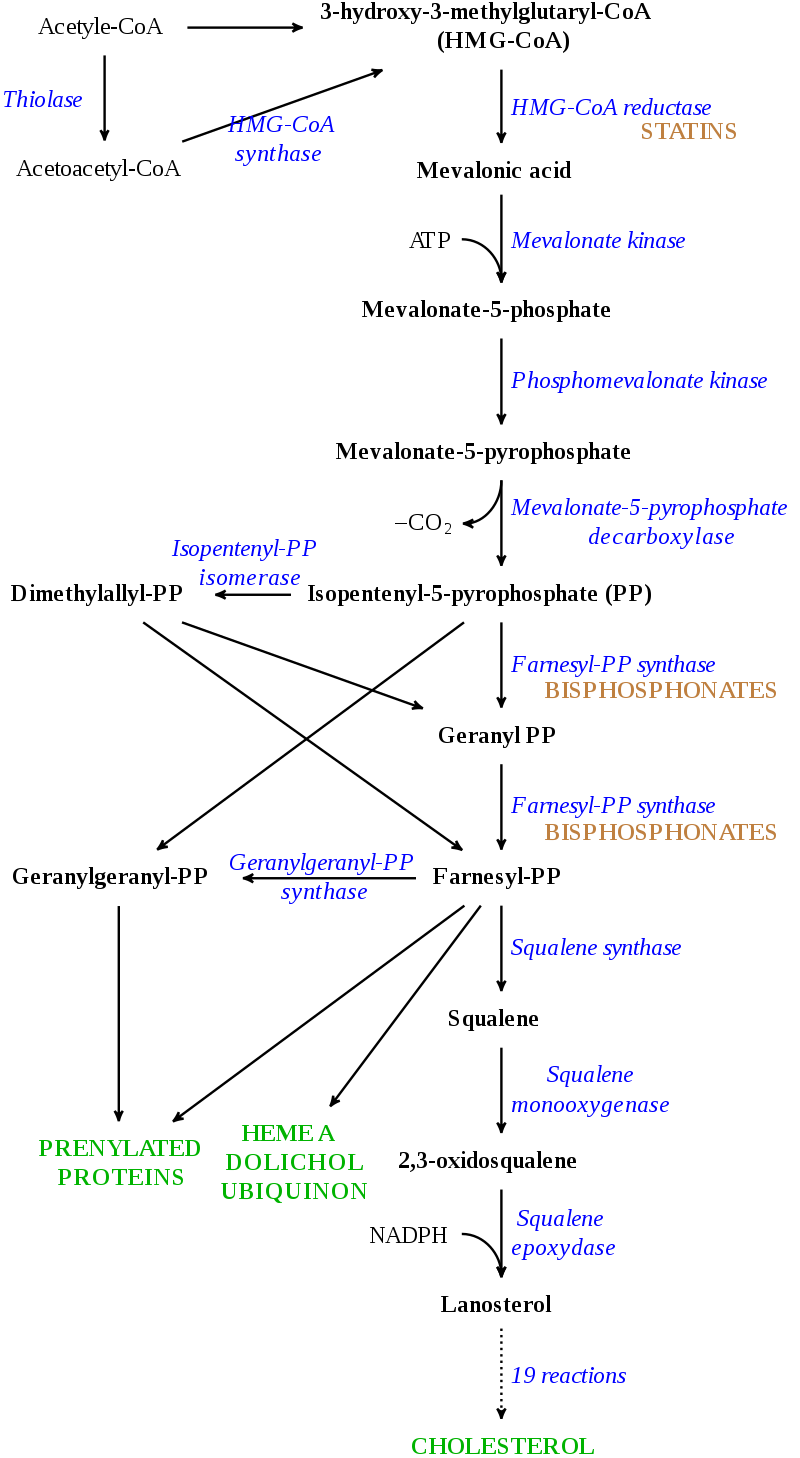
Bisphosphonates inhibits bone resorption. Because 99.95% of Ca in the body resides in bone, the effect in serum (the remaining 0.05% of total body Ca) can be significant.

All bisphosphonate drugs share a common phosphorus-carbon-phosphorus “backbone”:

They differ in the R-groups as above. It binds to calcium hydroxyapatite in bone.

Of the dose infused / absorbed, 50% is excreted unchanged by the kidney, the rest binds to bone tissue, where its elimination half life can apparently be up to 10 years! (UW Courses Web Server- https://courses.washington.edu/bonephys/opbis.html )

Because a bisphosphonate group mimics the structure of pyrophosphate, it can inhibit activation of enzymes that utilize pyrophosphate.
Magnesium follows Calcium levels, but Mg deficiency itself can also cause hypocalcemia.

Wilson’s disease

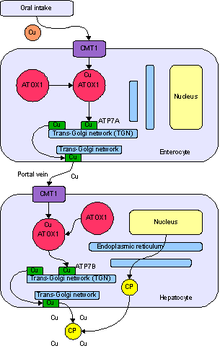
Mutation in the Wilson disease protein (ATP7B) gene, a protein transporting excess copper to bile.

Copper build-up in the brain and liver mostly, which can cause fulminant liver failure.

Other organs

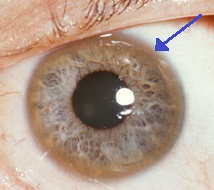
Eyes: Kayser-Fleischer rings

Kayser–Fleischer ring – Pathognomonic sign of Wilson’s disease.

Kidney: RTA type 2

Heart: Cardiomyopathy

Hormones: Hypoparathyroidism

Diagnosis

  1. Serum and urine copper:

Urine copper Interpretation:
Normal dU copper (24 hr) ………………… 15-36 ug/24hr
Indicative of Wilson’s Disease …………… 40-100 ug/24hr
(Need to confirm with additional test)
Confirms Wilson’s Disease ……………….. >100 ug/24hr

Serum Copper will paradoxically be low. This is because ceruloplasmin (copper-binding protein) is low in 80-95% of patients with Wilson’s disease.

2. Ceruloplasmin low (remember it’s an acute phase protein)

3. Liver biopsy

4. Genetic sequencing of the ATP7B gene.

Treatment

Low Copper diet (avoid copper cutlery)

Penicillamine (Cuprimine – not available in South Africa) binds Cu by chelation and excretion in urine (but causes drug-induced lupus and Myastenia Gravis in 20%)

Trientine also chelates.

Zinc stimulates metallothionein, a protein in gut cells that binds copper and prevents their absorption and transport to the liver. As soon as urine Cu excretion is in normal limits, patients will go on to Zn therapy.

Asymptomatic pts. (by family gene screens) are treated, because copper accumulation will cause problems later. Usually Zn is used.

Images are all from Wikipedia


Acute poisoning causing few to “fall flou”

HOSP # WARD Casualties
CONSULTANT George van der Watt   DOB/AGE 26 & 50 y/o males

Abnormal Result

Urine toxicology screening / Urine organic acid analysis

Presenting Complaint

ESKOM load shedding resulted in failure of the power supply (including the emergency power generator) at a part of the hospital which included the routine toxicology screening lab at the Department of Pharmacology.

Two patient samples arrived at Red Cross Hospital IMD lab one Wednesday morning, brought personally by the Lab Manager of the Pharmacology Toxicology Department, requesting help to identify the cause of poisoning in two of six patients with alleged poisoning. At the time, the patients were both on ventilatory support in ICU due to depressed level of consciousness.

The repeated electricity power failures over a weekend, resulted in Toxicology’s state-of-the art tripple-quad tandem qTOF mass spectrometer to fail.

History

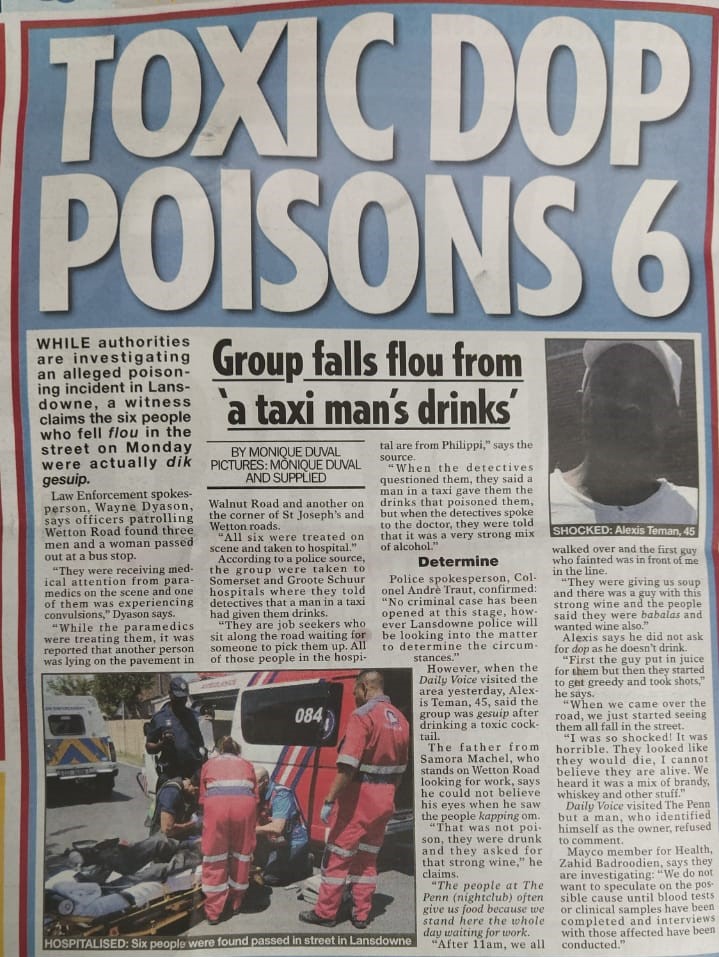
Six individuals were given a drink by a taxi driver in Landsdowne, Cape Town, on that Monday morning, all who collapsed few minutes later in the streets. Paramedics were on the scene soon and all affected patients were rushed to respective hospitals. See more on the Daily Voice.

Examination

The two individuals from whom we obtained urine for analysis, both had similar signs:

GCS was apparently 4/15, requiring intubation and ventilation.

Pupils were not miotic nor midriatic and signs were not in keeping with organophosphate poisoning.

Laboratory Investigations

No other laboratory investigations were available at the time. In retrospect, one of the patient’s results are available and serum electrolytes, liver enzymes, liver function and renal function tests were within normal range.

Other Investigations

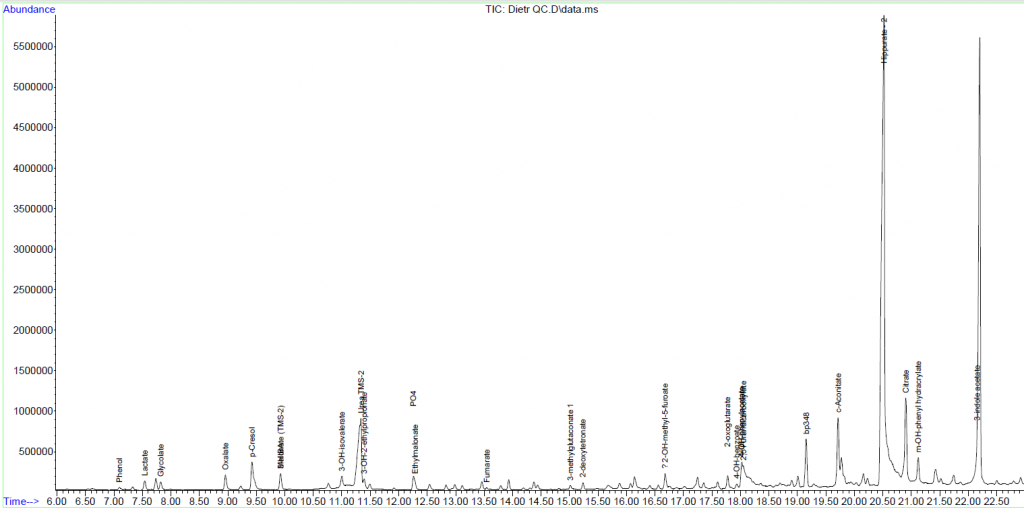
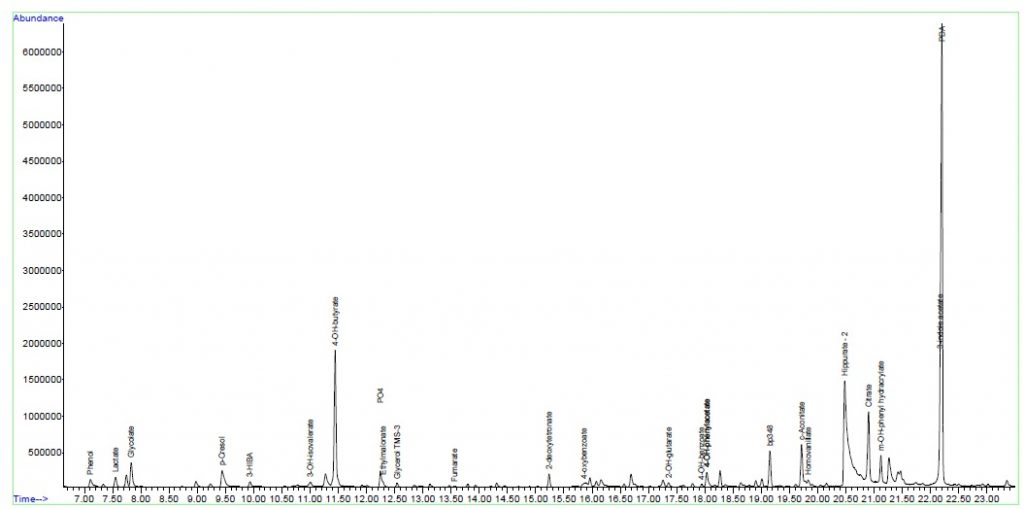
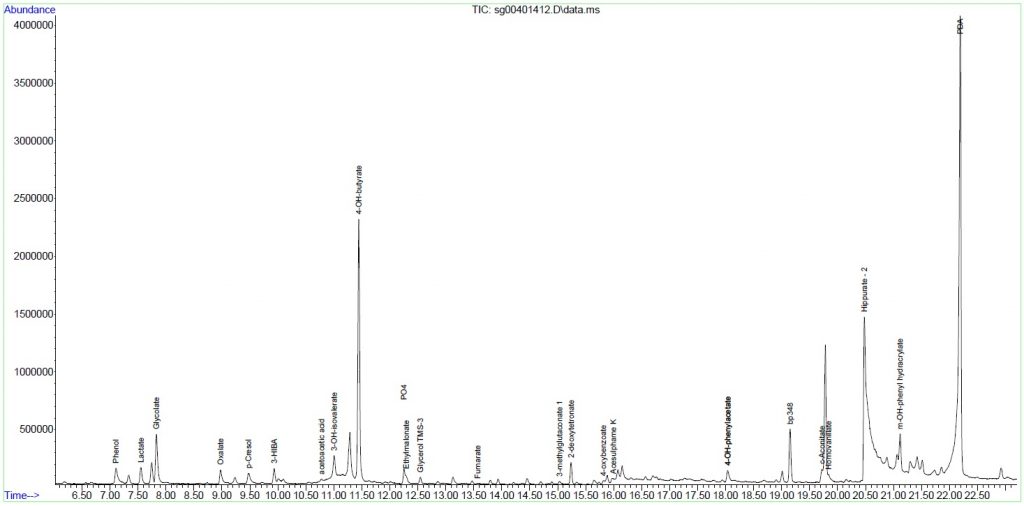
Urine organic acid analysis by GC-MS were done by us that day and we could identify Gamma-hydroxybutyrate (GHB) with an accurate hit to a known library adequately. We also ran a control urine sample of myself to prove the absence thereof as a negative control.

In the chromatograms below, note the height of the base peak, Pentadecanoic Acid (PDA) in relation to the peaks eluting at 11.45 minutes, 4-OH-butyrate, the analyte of interest. It can be seen that it is present in both the patient’s samples and is absent in the control sample.

Patient 1 Chromatogram
Patient 2 Chromatogram
Negtive Control Chromatogram

Final Diagnosis

It was confirmed that both cases as analysed by us was in keeping with intoxication with 4-OH-butyrate (gammahydroxybutyrate; GHB).

Take Home Messages

We concluded that cases of gammahydroxybutyrate intoxication can be confirmed by urine GC-MS analysis at our IMD chemistry lab at Red Cross Children’s Hospital.

Gammahydroxybutyrate (GHB) has appeared to be quite a common (and perhaps re-emerging) drug in the Cape Town area. It can relatively easily be manufactured without sophisticated equipment and due to its ease of manufacture is not extensively made / traded by illicit drug traders.

GHB (an agonist of certain GABA receptors) can be manufactured relatively easily by addition of two ingredients, a prodrug gammabutyrolactone (GBL; a commercially available product) and an alkali hydroxide, such as sodium hydroxide to form GHB salt.

Other trade names of GHB include “Liquid Ecstasy”, “lollipops”, “Liquid X” or “Liquid E”.

See below a copy of the article as it appeared in the Daily Voice, a Cape Tonian newspaper:


A case of hyperuricemia in the ICU

HOSP # WARD Surgical ICU
CONSULTANT Heleen Vreede / George van der Watt   DOB/AGE 30 year Male

Abnormal Result

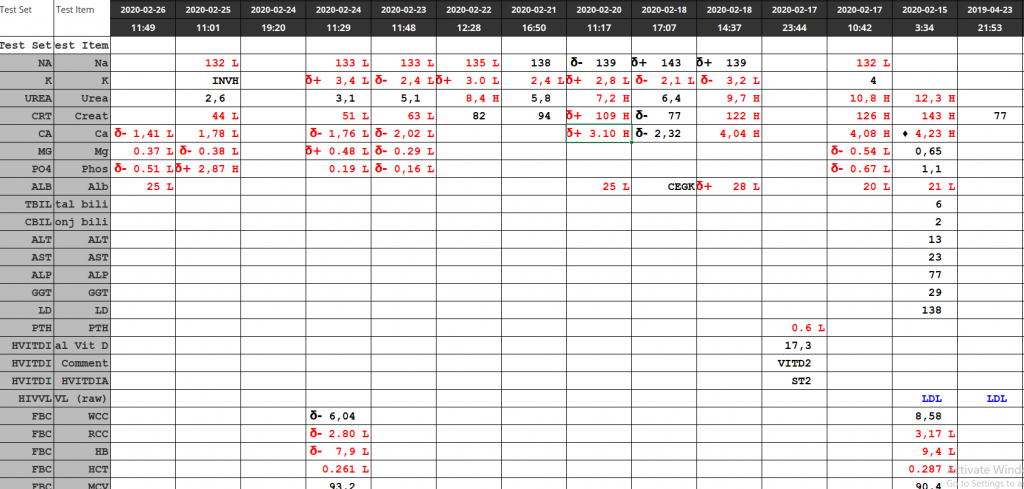
The result upon the query being raised by the reviewer was a uric acid of 0.95 mmol/L (0.21-0.43 mmol/L). Three days prior to this result, the patient had a uric acid serum concentration of 0.38 mmol/L.

Presenting Complaint

The patient presented to the hospital with a history of a swollen tonsil unilaterally. This worsened over few days to a severe infection (sepsis) as described below.

History

No significant history. Patient reported sober habits.

Examination

At initial presentation, the patient appeared to have a suppurative tonsillitis. The tonsillitis later developed into a retropharyngeal abscess and soon extended into the thorax, forming a pericardial abscess, which is what was found clinically at the time of admission to Groote Schuur Hospital.

Laboratory Investigations

Date: newest to oldest (only chemistry results included)

Other Investigations

CT scan: images to follow

Final Diagnosis

Retropharyngeal abscess progressing to a thoracic abscess and causing overt signs and symptons of heart failure.

Patient required a thoracotomy and pericardial drainage of the abscess.

Take Home Messages

  • Do not take tonsillitis lightly. If not adequately managed, it may cause serious complications.
  • Elevated Uric acid is a risk factor for acute kidney injury. This may be by means of acute gouty crystal deposition, but other crystal-independent roles has also been described.
  • Uric acid concentration will rise significantly in severe infection, most likely due to the fast tempo of tissue or DNA turnover, both by bacteria and host tissue breakdown and repair. Uric acid is a product of the metabolic breakdown of purine nucleotides.
  • Uric acid, being a heterocyclic compound, I thought could interfere in various assays, and I thought even in the Jaffe reaction for creatinine, but it doesn’t seem to be a common interferent when doing a quick literature search.
  • Uric acid appears to be the major anti-oxidant in human serum constituting around 61% of total anti-oxidant activity, evidenced by Maxwell et al.:
  • Relative contribution to total serum anti-oxidant activity in this study was: urate 65.1%, vitamin C 8.7%, vitamin E 10.6%, vitamin A 5.7%, thiols 7.8% (as in albumin) and bilirubin 1.9%.
  • One immediately thinks that a patient with such a rapidly progressing infection has to be immunocompromised, the most common cause(s) in South Africa being HIV or diabetes mellitus. This patient however was HIV negative, according to HIV ELISA and did not have reported signs and symptoms of diabetes.