Quadruple-H

HOSP # 42170712 WARD Endocrinology OPD
CONSULTANT   Dr. Heleen Vreede DOB/AGE 37y female

Abnormal Result

  • The patient’s calcium measured 2.91 mmol/L on two occasions, with PTH measuring 40.6 pmol/L
  • VitD 13.6 (<50 = deficient)
  • TFT’s TSH 0.01 T4 26.7pmol/L

Presenting Complaint

Presented at the GIT clinic in Feb 2020 with persistent vomiting and abdominal cramps, which was ongoing since November 2019.

History

  • Patient was diagnosed with hypertension in her early 20’s.
  • Initiated on HCTZ – subsequently changed to Atenolol 25mg dly – not overweight at the time
  • Gastroscopy was normal
  • No psychiatric symptoms reported – mood swings are reported occasionally by the family
  • Oligomenorrhoea – started in 2019 – nothing else wrong was noted.
  • Normal menarche – normal regular menses until the diagnosis of hypertension was made.
  • Amenorrhoeic last 4 years on no medication currently

Examination

  • Increased BMI – quite significantly increased
  • BP 170/90
  • Skin: Significant amount of skin tags, acanthosis nigricans
  • No striae or bruising
  • No Sx of thyroid disease.
  • Physical examination unremarkable.
  • Normal pulses
  • Essentially a normal examination other than the high BMI

Laboratory Investigations

Repeated bloods (5 days after initial presentation): 

  • TSH 3.13 T4 12.5
  • PTH 28 pmol/L (1.6 -6.9)
  • Ca 2.79
  • Inorganic phosphate 0.77 L mmol/L (0.78 – 1.42)
  • LFT’s: Normal
  • Creat Normal
  • U-Ca 5.6 (no creatinine to compare ratio)
  • FSH 3.2 IU/L
  • LH 2.0 IU/L
  • E2 244 pmol/L
  • Dehydroepiandrosterone sulphate (DHEAS) 2.4 umol/L (1.7 – 9.2)
  • Testosterone 0.5 nmol/L (0.3 – 1.7)
  • SHBG 25.9 L nmol/L (32.4 – 128.0)
  • Prolactin 11.5
  • TSH-Receptor antibodies: Negative

Other Investigations

The patient still had occasional vomiting, abdominal cramps and unexplained muscle pain – other electrolytes apart from calcium, magnesium and phosphate is also advised, as is osmolarity as fluid and electrolyte imbalance may be an effect, rather than a cause of the nausea, vomiting and muscle pain – the sodium and potassium was normal however.

See below, for the hypertension, phaeochromocytoma can be excluded by a 24-hour fractionated urinary metanephrines analysis.

Final Diagnosis

  • Primary hyperparathyroidism is on top of the differential diagnosis and is likely the cause of the raised total calcium.
  • Another cause of the raised blood pressure could very likely be a phaeochromocytoma.
  • It was also advised for replacement of Vitamin D, after a repeat measurement.
  • Other features of MEN-1 syndrome needs to be excluded.

Take Home Message

For phaeochromocytoma, 3 separate days’ urine collection is recommended if the suspicion is high, which it isn’t in this case. This increases the sensitivity of the test.

Before testing for MEN-1: one needs to correct Calcium first – since the hypercalcemia could exacerbate gastrin levels.

Increased serum calcium and hypophosphatemia is the net-result of increased PTH. Urinary phosphate will also be high if measured.


A case of persistent hypocalcemia

HOSP # MRN63985901 WARD Medical Ward
CONSULTANT Dr. Heleen Vreede   DOB/AGE 51 year Female

Abnormal Result

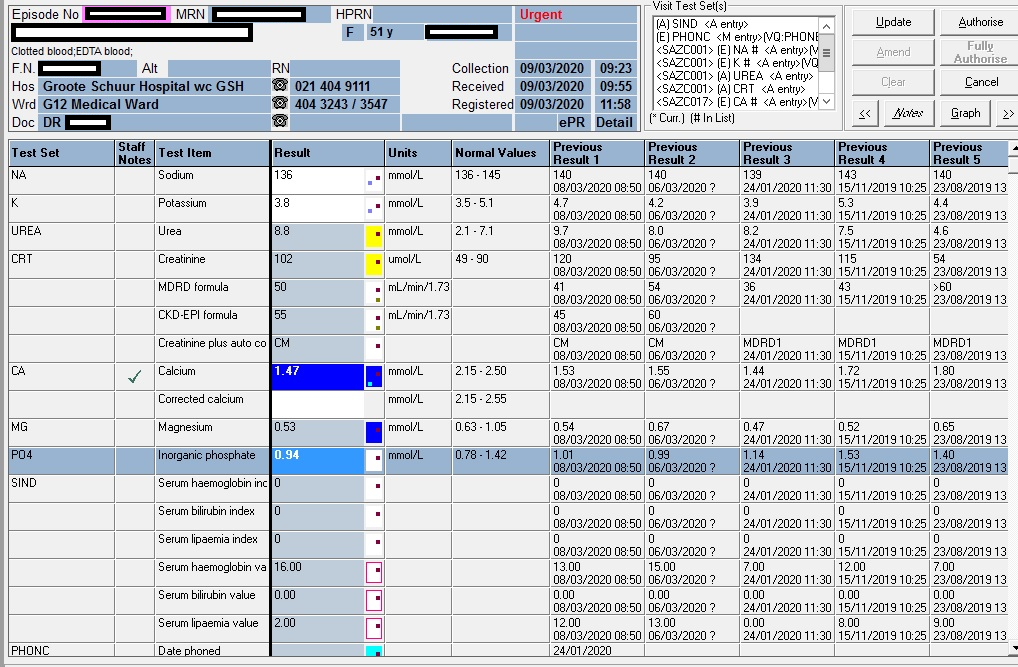
Total calcium of 1.47 mmol/L (2.15 – 2.50)

Presenting Complaint

The patient has been having persistent hypocalcemia despite supplementation with calcium.

History

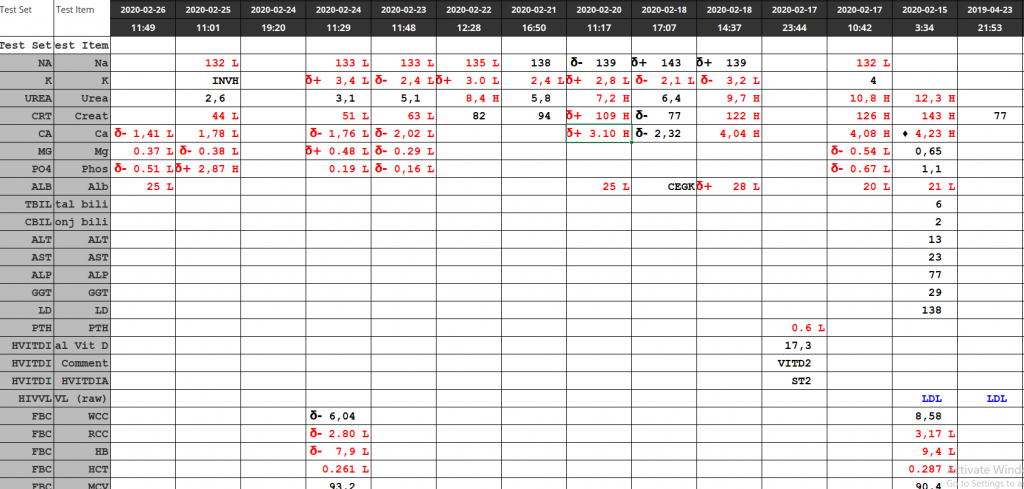
Figure 1 – Illustration of the patient’s CMP over time:
Calcium: blue; Magnesium: orange; Phosphate: grey
Reference ranges are the horizontal lines without dotted markers

Examination

Not available.

The typical findings in a patient with true hypocalcemia (low ionised calcium) are

Trouseau’s sign

Chvostek’s sign

Laboratory Investigations

Arguably, the first important consideration in patients with low calcium is the albumin. The patient had a mean albumin of 12 g/L, significantly lower than normal (40-50g/L). Arguably, the calcium can be corrected with the well known Payne’s formula to then be 1.47 + (0.02 x (40-12) = 2.03 mmol/L:

Albumin-adjusted calcium (mmol/L) = total calcium (mmol/L) + 0.02 [40 – albumin (g/L)])

Payne RB, Little AJ, Williams RB, Milner JP. Interpretation of serum calcium in patient with abnormal serum proteins. Br Med J. 1973;4:643-646. DOI: 10.1136/bmj.4.5893.643. (View)

Measurement of serum intact parathyroid hormone (PTH) should be performed in all patients with hypocalcemia; it is the most valuable laboratory test for determining the etiology of hypocalcemia:

  2019/11/15 2019/06/28 2018/08/03
PTH (pmol/L)  21,8 H  15,5 H  25,8 H
Reference interval: (1.6-6.9 pmol/L)

Vitamin D

09/09/2020 15/11/2019 03/08/2018
Total Vitamin D (25-OH VitD) 20.5 nmol/L 45.4 nmol/L 23.2 nmol/L
Guidelines for assessment of Vitamin D status:
<30 nmol/L <12 ng/mL Deficient
30-50 nmol/L 12-20 ng/mL Insufficient
>50 nmol/L >20 ng/mL Sufficient
125-150 nmol/L 50-60 ng/mL Safe upper limit
Reference: Revised South African Clinical Guideline for the diagnosis and management of osteoporosis (NOFSA 2017), endorsing the institute of Medicine Dietary Reference intakes for calcium and vitamin D (2010). Note regarding conversion of units:
Divide result in nmol/L by 2.496 to convert to ng/mL
Multiply result in ng/mL by 2.496 to convert to nmol/L

Other Investigations

Anti-Tissue Transglutaminase antibodies: Negative: repeated 3 months apart, with sufficient IgA levels in the serum): 0.9 & 0.8 U/mL (EliA c/o: 6.9)

Anti-Gliadin antibodies: Equivocal: 7.8 & 9.6 U/mL (EliA c/o: 6.9)

Anti-endomysial antibodies: Negative

HLA-DQ2: Positive

HLA-DQ8: Negative

Final Diagnosis

Hypocalcemia likely due to malabsorbtion (telangiectasia stated by the clinicians).

Take Home Message

According to International guidelines the following association is expected for patients with Coeliac Disease:
Positive for HLA-DQ2 (HLA-DQA1*05, DQB1*02)
Positive for HLA-DQ8 (HLA-DQA1*03, DQB1*03:02)

Considering the fact that the albumin was high with an increased PTH, the calcium very likely was physiologically also low (bioactive Ca). The Payne’s formula also failed to correct the calcium to the normal reference range.


The Vitamin D conundrum

HOSP # WARD F22 Orthopaedics Ward
CONSULTANT   Dr. Jody Rusch DOB/AGE 42 Y Female

Abnormal Result

Total Vitamin D of 27.1 nmol/L on 18 March 2020.

Total Vitamin D of 65.4 nmol/L on 01 April 2020.

Presenting Complaint

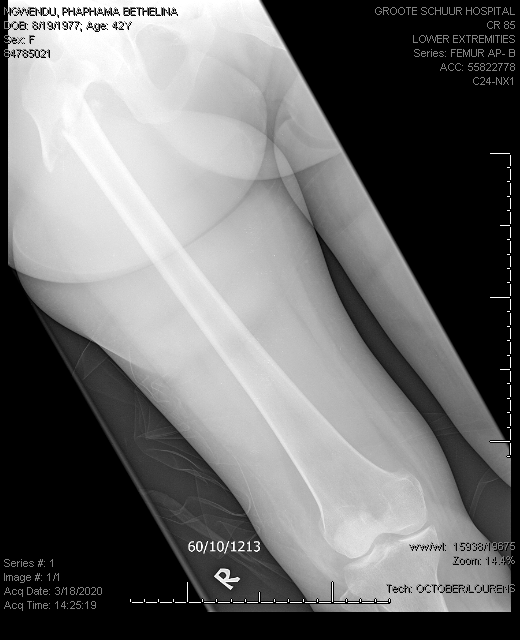
Patient had a low impact femur fracture on 18 March 2020 :

History

Patient is known with:

  • previous deep venous thrombosis in 2018, on Warfarin therapy
  • ?Epilepsy, patient is on carbamazepine, for which the Endocrinology specialists were of opinion that it may have been the cause of the low Vitamin D level.

Examination

Laboratory Investigations

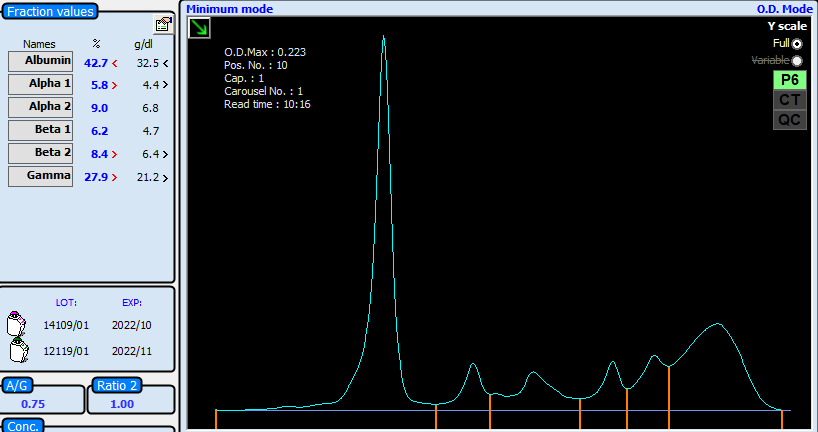
Serum protein electrophoresis pattern in keeping with an inflammatory process

Other Investigations

DVT in 2018

Final Diagnosis

Vitamin D deficiency likely due to carbamazepine therapy.

Take Home Message

I was not aware that patients on carbamazepine (or other enzyme inducing agents) have lower Vitamin D levels, and it became evident after a quick literature search that it was in fact the case, see the abstract of the article below, also see another article written by a colleague of mine, Jusine Cole, on the Vitamin D controversies.

Also, I have learned that although “total Vitamin D”, as the assay is named in our immunoassay package insert and on TrakCare LIS, has to do with the total portion with regards to protein binding (to Vitamin D binding protein) and not so much to the fact that calcitriol and calcidiol is measured.

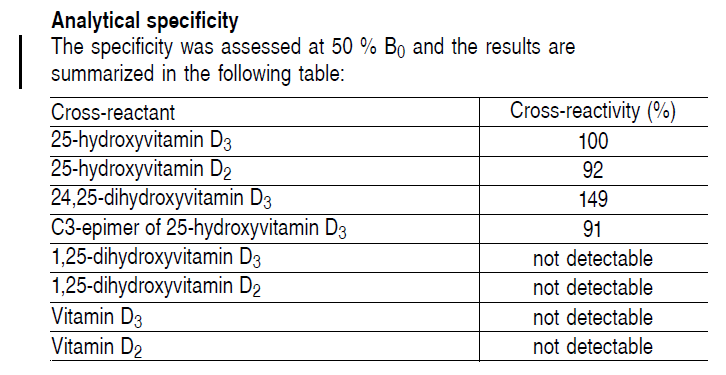
It is however evident that, since the cross-reaction in the immuno-assay is quite pronounced with the various forms of Vitamin D, that total indeed, might be an accurate description. In reality, the assay is however called the Total 25-hydroxy Vitamin D.

The Roche Package insert values for specificity for the Total 25-OH Vitamin D assay.

Vitamin D levels and bone turnover in epilepsy patients taking carbamazepine or oxcarbazepine.

Abstract

PURPOSE:

Evidence suggests that enzyme-inducing antiepileptic drugs (AEDs) may decrease serum 25-hydroxyvitamin D (25-OHD) levels and increase bone turnover. We sought to determine whether these are affected by treatment with carbamazepine (CBZ) or oxcarbazepine (OXC).

METHODS:

We measured serum levels of 25-OHD, parathyroid hormone (PTH), osteocalcin (OCLN), bone alkaline phosphatase (BAP), and urinary N-telopeptides of type I collagen cross-links (NTX) in normal controls (n=24) and in epilepsy patients taking CBZ (n=21) or OXC (n=24) in monotherapy. CBZ patients were subsequently switched overnight to OXC monotherapy, and after 6 weeks, the tests were repeated.

RESULTS:

25-OHD levels were lower in each drug-treated group (OXC, 19.4+/-2.3 pg/ml; CBZ, 20.4+/-2.4) than in the controls (27.5+/-2.8) (ANOVA, p=0.052). This difference was significant for the OXC group (p<0.05). PTH, BAP, and NTX did not differ significantly among groups. OCLN levels were somewhat elevated in the OXC group (2.79+/-0.47 ng/ml) and more clearly and significantly elevated in the CBZ group (3.63+/-0.36) compared with controls (2.38+/- 0.41) (p=0.053). Because the data were very similar between OXC and CBZ groups, they were combined to increase statistical power. The combined drug-treatment group had significantly higher BAP (p=0.02) and lower 25-OHD (p=0.015) than did controls. The latter remained significant even after accounting for the confounding effects of age on 25-OHD levels (p<0.05). No significant differences were found after CBZ patients were switched to OXC.

CONCLUSIONS:

Epilepsy patients taking OXC or CBZ have significantly lower 25-OHD than do normal controls, with a pattern of changes in other bone biomarkers suggestive of secondary hyperparathyroidism. It may be prudent for patients taking CBZ or OXC to be prescribed 25-OHD replacement.


The Vitamin D cutoff conundrum

Introduction

Vitamin D status is considered important for calcium balance and bone health as 1,25 (OH)2 vitamin D (calcitriol) promotes calcium absorption from the gut and has pleiotropic effects in bone. Vitamin D deficiency leads to hypocalcaemia and osteomalacia or rickets in adults and children respectively.

Vitamin D status was also brought under the spotlight owing to an apparent association with cardiovascular health and several other chronic disorders. These associations were noted in animal studies but the findings were not mirrored in humans. Vitamin D sufficiency or insufficiency is determined using quantitative analytical techniques, with results interpreted against statistically-determined cutoffs.

The Controversies

Controversies exist due to the analytical methods as well as the methods to determine these decision limits. The analytical methods available to quantify vitamin D include immunoassays and HPLC or LC-MS/MS methods. The majority of labs use immunoassays to measure 25(OH) vitamin D (calcidiol), and a smaller group also measure calcitriol by immunoassay. Calcidiol occurs at higher concentrations in the serum and, in most cases, it better reflects the vitamin status than calcitriol, as 1-alpha-hydroxylase activity is modulated according to calcitriol and calcium status.

However, immunoassays are non-specific regarding metabolites of vitamin D and therefore results of calcidiol and calcitriol measurement may not be accurate due to cross-reactivity. LC-MS/MS is a much more accurate methodology to measure both calcidiol and calcitriol as well as other metabolites of interest, such as 24,25(OH)2 vitamin D. One controversial point is, therefore, whether or not calcidiol and calcitriol measurements by immunoassay are accurate.

The second controversy lies in the determination of the decision limits for vitamin D repletion, sufficiency and insufficiency. Currently, there are two major sets of decision limits to choose from. The first were determined and recommended by the Endocrine Society based on recommended daily allowances (RDA) for the vitamin. It is argued that the concept of the RDA is misinterpreted and the methods for setting the RDA not understood. These decision limits are high, and by these limits some 50% of most populations are diagnosed with vitamin D insufficiency. This is also dangerous, as replacement of vitamin D may lead to hypervitaminosis D, which is not benign and may in fact increase the risk of falls and fractures. Another consequence is the demand for testing vitamin D levels is very high, which is expensive for healthcare funders or individuals, with questionable health benefits.

The other popular set of decision limits were determined based on the risk of falls and fractures (Institute of Medicine) – a more functional approach. The result of using these limits is that the majority of the population will fall into the vitamin D sufficient or replete groups, and only individuals at high risk will have their status checked and/or monitored and receive supplementation as necessary. This is a more cost- and clinically-effective approach, but is yet to be globally adopted.

Vitamin D and Cardiovascular Disease: Controversy Unresolved ...

The final point to be made is perhaps what drives the interest in vitamin D status, and it may be suggested that it is the reagents and pharmaceutical industry as they stand to gain from increased testing and demand for supplements.


Hypocalcemia with Hypomagnesemia

HOSP # WARD Internal Medicine ward
CONSULTANT   George vd Watt / Heleen Vreede / David Marais DOB/AGE 58 y Male

Abnormal Result

Upon signing out blood results:

Calcium = 1.41 mmol/L – Critically low Calcium result

Magnesium = 0.37 mmol/L – Critically low Magnesium

Presenting Complaint

Loss of breath initially accompanied by weight loss.

Upon admission to the ward, patient was slightly delirious, but still able to walk and talk.

History

Patient with metastatic lung cancer and accompanying hypercalcemia, a week prior to the results as at present.

Doctor has given IV Bisphosphonate after the hypercalcemia was noted a week prior (Calcium = 4.23 mmol/L; Alb = 21 g/L; Corrected Ca = 4.61 mmol/L)

Examination

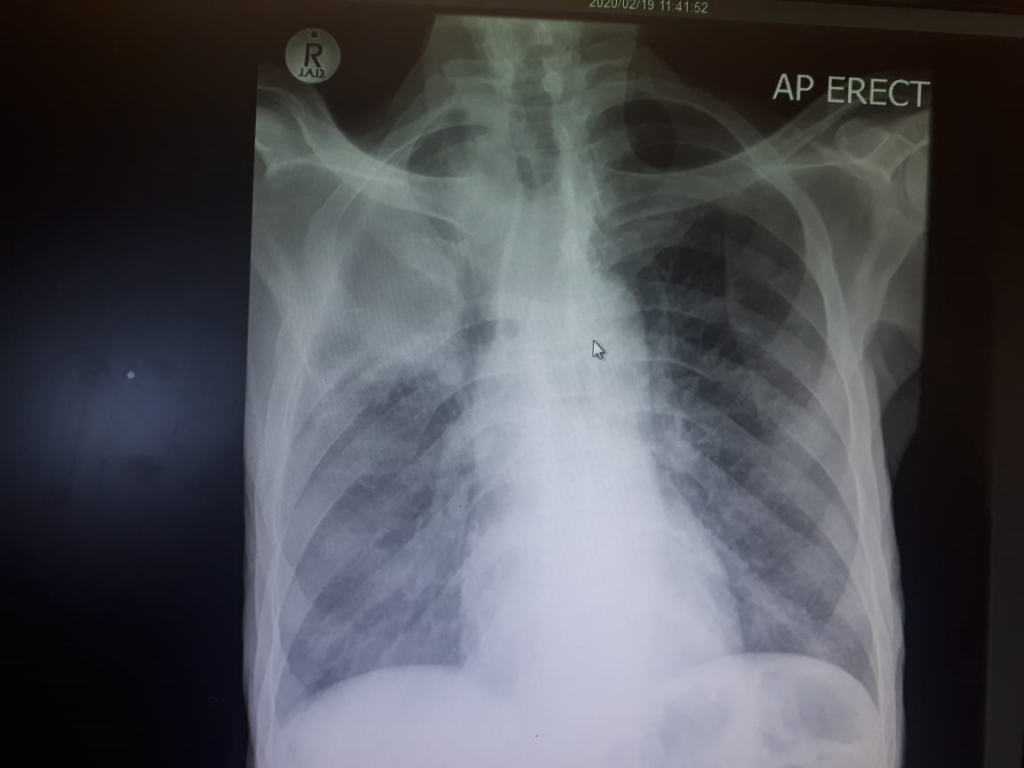
Extensive Crepitations over all the right lung fields.

Laboratory Investigations

Other Investigations

Chest X-Ray AP erect 19/02/2020
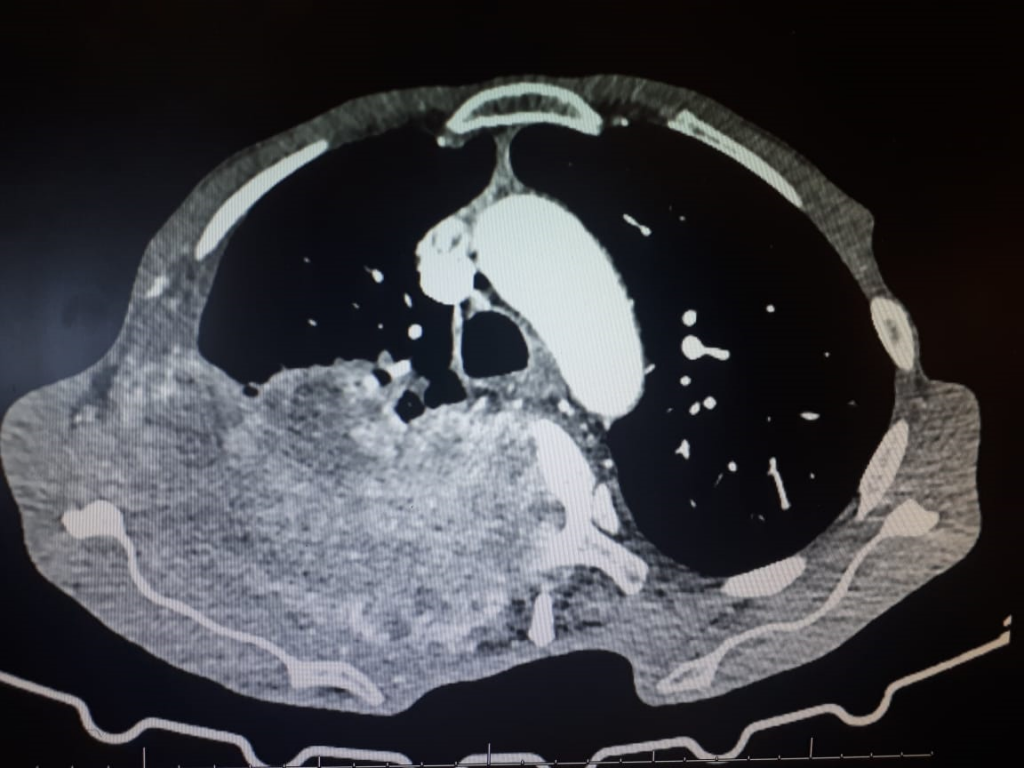
CT thorax

Final Diagnosis

Invasive lung CA with “hungry bones” after IV Zolendronic Acid

Vitamin D deficiency, preventing Calcium absorbtion after the Zolendronic acid started its action of inhibiting bone resorption.

Take Home Messages

CA causes hypercalcemia

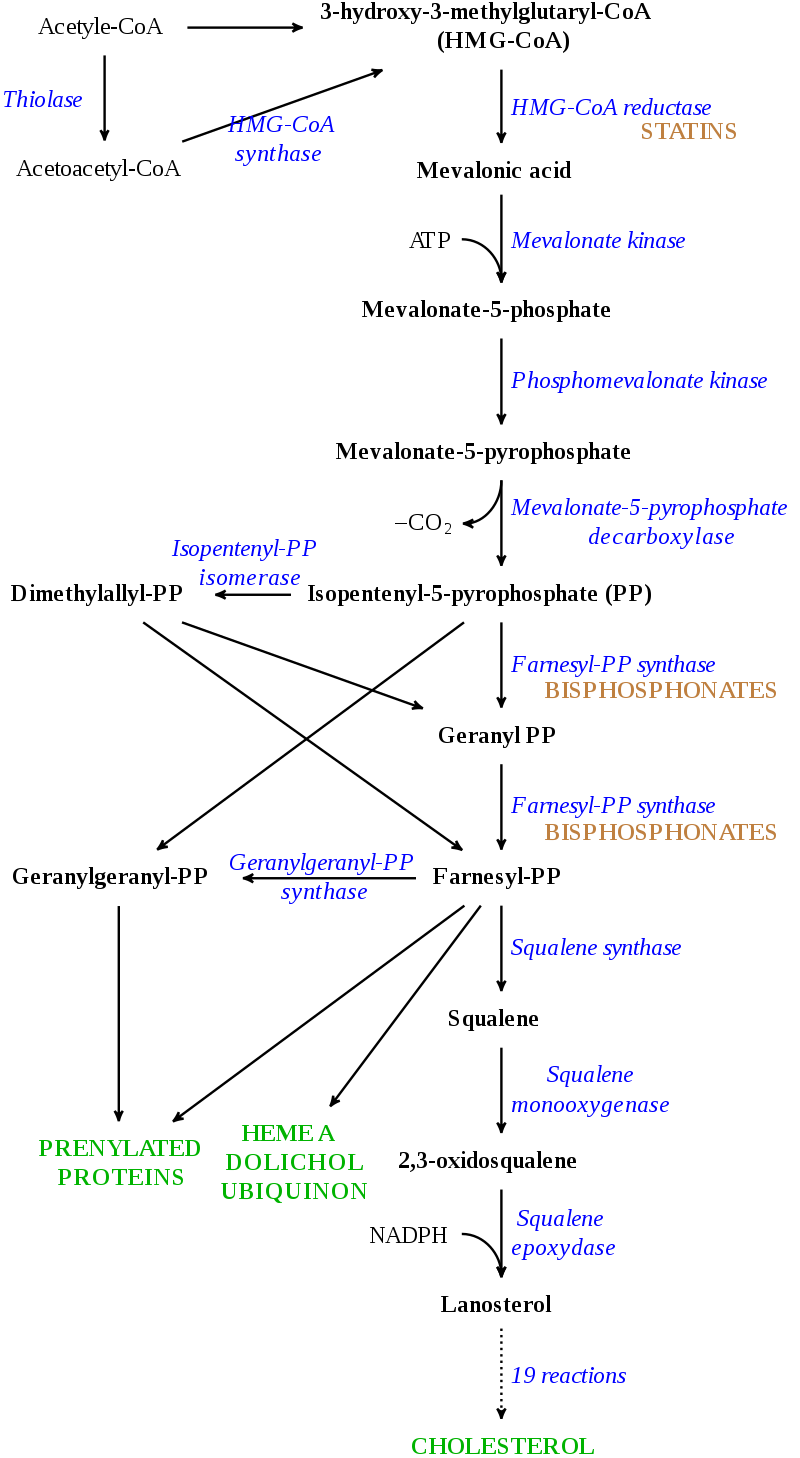
Bisphosphonates inhibits bone resorption. Because 99.95% of Ca in the body resides in bone, the effect in serum (the remaining 0.05% of total body Ca) can be significant.

All bisphosphonate drugs share a common phosphorus-carbon-phosphorus “backbone”:

They differ in the R-groups as above. It binds to calcium hydroxyapatite in bone.

Of the dose infused / absorbed, 50% is excreted unchanged by the kidney, the rest binds to bone tissue, where its elimination half life can apparently be up to 10 years! (UW Courses Web Server- https://courses.washington.edu/bonephys/opbis.html )

Because a bisphosphonate group mimics the structure of pyrophosphate, it can inhibit activation of enzymes that utilize pyrophosphate.

Magnesium follows Calcium levels, but Mg deficiency itself can also cause hypocalcemia.