A case of crystals in the cornea, but wait first…

HOSP # WARD Red Cross Padiatric Hospital
CONSULTANT   George van der Watt / Surita Meldau DOB/AGE 1y 5m

Abnormal Result

Inorganic phosphate 0.85 L mmol/L (1.00 – 1.95)

Presenting Complaint

It is unknown what this patient’s presenting complaint was.

Common complaints in similar patients are:

  1. Photophobia (see slit lamp picture below, which explains why).
  2. Bone pain
  3. Weakness
Slit lamp view: Crystals in the cornea – this is typical of patients with cystinosis. Cystine crystals deposit inside the corneal cells as they cannot adequately export Cystine out of their lysosomes.

History

The items below illustrates the recorded information on the laboratory request forms as they were captured by our lab staff on the respective samples:

      SEPSIS
      Vit D Deficiency
      Vit D Deficiency
      HYPOCALCAEMIA
      ?LOSSES
      ?PTB
      ?PTB
      ?FANCONI
      ?SEPSIS
      ?SEPSIS
      ?SEPSIS
      ? FANCONI SYNDROME
      ? Cystinosis
      Risk factor:
      Contact
      Cough
      Fanconi's ? cystinosis
      Hypocalcaemia
      Pneumonia.
      Pneumonia.
      Fanconi syndrome
      ? Hypoglycaemia
      post iv calcium for hypo
      Sepsis. Cystinosis
      Sepsis. Cystinosis
      Cystinosis
      FANCONIS SYNDROME
      Fanconi's syndrome
      Cystinosis
      Cystinosis
      Sepsis. Fanconi syndrome, hypocalcaemia
      Hypocalceamia
      CYSTINOSIS- HUNGRY BONE D

It can be seen above that the clinicians were noting Fanconi’s syndrome and were querying Cystinosis.

Examination

Data not available. Generally patients with Fanconi’s syndrome present with loss of electrolytes from the proximal and distal renal tubuli:

  • Nephropathic cystinosis in untreated children is characterized by renal Fanconi syndrome, poor growth, hypophosphatemic/calcipenic rickets, impaired glomerular function resulting in complete glomerular failure, and accumulation of cystine in almost all cells, leading to cellular dysfunction with tissue and organ impairment. The typical untreated child has short stature, rickets, and photophobia. Failure to thrive is generally noticed after approximately age six months; signs of renal tubular Fanconi syndrome (polyuria, polydipsia, dehydration, and acidosis) appear as early as age six months; corneal crystals can be present before age one year and are always present after age 16 months. Prior to the use of renal transplantation and cystine-depleting therapy, the life span in nephropathic cystinosis was no longer than ten years. With these interventions, affected individuals can survive at least into the mid-forties or fifties with satisfactory quality of life.
  • Intermediate cystinosis is characterized by all the typical manifestations of nephropathic cystinosis, but onset is at a later age. Renal glomerular failure occurs in all untreated affected individuals, usually between ages 15 and 25 years.
  • The non-nephropathic (ocular) form of cystinosis is characterized clinically only by photophobia resulting from corneal cystine crystal accumulation.

Because the thyroid glands are actively translating and resorbing thyroglobulin, the thyrocytes (thyroid colloid epithelial cells) are prone to accumulation of cysteine within their lysosomes, hence these children often also develop hypothyroidism with a palpable thyroid gland.

Laboratory Investigations

Biochemistry:

As can be seen on these set of results, the calcium persistently measured low with initial presentation.
Newest results are to the left, oldest on the right.
Later it can be seen that significant hypophosphatemia also developed.

Genetic screening

PCR with enzyme digest:

Enzyme digest – Expected fragments
The PCR product before restriction enzyme digest is 261 bp long.
Without the mutation, the restriction enzyme will cut this product in 2 places, yielding 3 fragments 179, 42 and 40 bp. (Normal)
With the mutation, the restriction enzyme will cut the PCR product in 3 places, yielding 4 fragments, 135, 44, 42 and 40bp.

1st PCR with enzyme digest:

L – Ladder (100 bp at bottom with increments of 100 bp to the top)
1. Patient sample
2. Positive control
4. Normal (Negative) control
5. Blank

Upon the first PCR for a gene screen which was done, there occurred some evaporation in the third tube (lane no. 3 – positive control), upon incubation with the enzyme digest mix. This incubation step is minimum 3 hours at 37 degrees Celcius and do not have the high temperatures associated with the PCR process. Thus the reason for evaporation remains unclear and may have been an incompletely closed lid or a defective PCR tube rim or cap.

It is not expected to see an undigested PCR product (>200bp) as can be seen in the top band in lane 3, hence it is clear that there was incomplete digestion of PCR product in this PCR tube. Even though it is clear that the patient sample ( lane 1) represents a homozygous positive result (lane 2), one cannot authorize results when both the positive and normal control worked well.

Thus the PCR was repeated.

2nd PCR with enzyme digest:
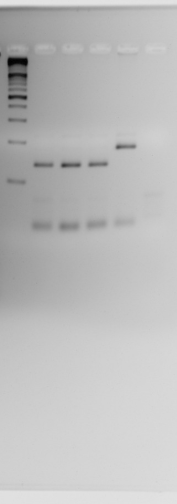
L – Ladder (100 bp at bottom with increments of 100 bp to the top)
1. Patient sample
2. Positive control
3. Positive control with 2x enzyme mix added
4. Normal control
5. Blank
Image intentionally left uncropped and long vertically: Note the cloudy grey portion below the bottom most bands **see “Take Home Messages” below

In the second PCR it can be well seen how the Positive control did undergo complete digestion. No evaporation was noted in this run.

Other Investigations

Leucocyte cystine is another investigation which helps make the diagnosis in patients with presumed cystinosis.

Leucocyte cystine report in this patient:

Protein 0.58 g/L

Leucocyte Cystine 1.16 nmol/mg protein

Reference range:

  • Normal < 0.1 nmol cystine/mg protein
  • Cystinosis > 1.0 nmol cystine/mg protein
  • Cystinosis on Rx (target level) < 0.5 nmol cystine/mg protein

Our reporting comment on the Lab Information Systems reads as follows:

Please note that the diagnosis of cystinosis can be confirmed in the majority of South African patients by screening for the common South African Black mutation CTNS-c.971-12G>A which results in an estimated newborn incidence of 1/10 000 in this population. A molecular diagnosis is of value in that siblings of index cases can be screened and identified for early intervention which improves the outcome in this disorder.

Final Diagnosis

Patient is homozygous positive for cystinosis by the common South African mutation, as confirmed on leucocyte cystine as well as on the gene screen.

Take Home Message

** The grey portion at the bottom of the electropherogram – this indicates the movement of the ethidium bromide out of the gel towards the cathode. One should ideally not let a gel run beyond the intended time period as the migration of ethidium bromide “dye front” beyond the smallest band may cause band to “de-stain” and not be visualized well.

The CTNS gene provides instructions for making a protein called cystinosin. This protein is located in the membrane of lysosomes. Proteins digested inside lysosomes are broken down to amino acids. These are then moved out of lysosomes by transport proteins. Cystinosin is a transport protein that specifically moves the amino acid in its dimeric form cystine out of the lysosome.

Cystine - Wikipedia
Cystine is a sulfur-containing amino acid obtained by the oxidation of two cysteine molecules which are then linked via a disulfide bond.

More than 80 different mutations that are responsible for causing cystinosis have been identified in the CTNS gene. The most common mutation is a deletion of a large part of the CTNS gene (sometimes referred to as the 57-kb deletion), resulting in the complete loss of cystinosin. This deletion is responsible for approximately 50 percent of cystinosis cases in people of European descent. Other mutations result in the production of an abnormally short protein that cannot carry out its normal transport function. Mutations that change very small regions of the CTNS gene may allow the transporter protein to retain some of its usual activity, resulting in a milder form of cystinosis.

The treatment / management of patients with cystinosis includes Cysteamine, a drug which binds cysteine and forms Cysteamine-cysteine (see figure above). This molecule is similar in structure to lysine and can be exported from the lysosomes by a lysine transporter.

Interestingly, South Africa likely has the highest incidence of cystinosis in the world due to a common mutation, G > A mutation in intron 11 of the CTNS gene (c.971-12G > A p.D324AfsX44), likely due to some sort of founder-effect in black and coloured patients: https://link.springer.com/article/10.1007/s00467-014-2980-7 I’m proud of this article as it was published by scientists at our institution.

A useful web site to learn nomenclature of gene variants is HGVS.


Storage disease on Autopsy

HOSP # WARD Histopathology
CONSULTANT   Dr. Jody Rusch DOB/AGE 1 week Female neonate

Abnormal Result

An email from a colleague and mentor summarizes the abnormal result the best:

From: Jody Rusch jody.rusch@nhls.ac.za
Date: 2020/05/27 14:26 (GMT+02:00)

Dear S

I am not sure if this will be an easy one to nail down without extensive testing or luck.

To summarise:

Female neonate
No mention of ethnicity
C-section – hydropic on US
Birth weight 2935 g

Low Apgars (2 and 5)
Intubated, ventilated, ICU
Did not grow
Demised on day 7 of life in ICU

Non-immune heart failure plus storage disorder:
IMDs can cause heart failure.
Most likely lysosomal storage disease (14 different ones have been associated with HF)
Most LSDs are AR inheritance
HF, facial dysmorphism, AR inheritance, previous sibling hx
Common in European populations (and it appears globally) include – Mucopolysaccharidosis type VII, Gaucher’s disease, and GM1-gangliosidosis
In SA: Gaucher’s disease (Ashkenazi-Jewish population) – GD2 should be considered in severe perinatal with HF

Extensive list of Lysosomal storage diseases associated with heart failure:
Gaucher disease, type II, Morquio disease, Hurler syndrome, Sly syndrome, Farber disease, GM1 gangliosidosis, I-cell disease, Niemann-Pick disease type A and type C, Infantile Sialic Acid Storage disorder, alpha-neuroaminidase deficiency, multiple sulfatase deficiency, and Wolman disease.

Consider also non-lysosomal diseases
Other IMDs:
Type IV (Anderson disease)
Congenital disorders of glycosylation
Zellweger syndrome
LCHAD
Primary carnitine defic
Smith Lemli Opitz Syndrome

Also hypothyroidism

If a specific diagnosis (beyond likely LSD) is required, and will be paid for, perhaps Invitae have a panel?
Hopefully Prof can weigh in on this and help guide further testing.

Kind regards
J

Presenting Complaint

The histopathologist contacted me regarding any “screening tests” for lysosomal storage diseases

History

Maternal hx:
39 yr old
Booked – normal bloods
35 weeks gestation
Previous pregnancy – stillbirth due to hydrops foetalis (normal karyotype)
No mention of consanguinity

Examination

Post mortem:
Eyes wide set
Left Ear malformed
Flattened nasal bridge
Hydrops foetalis (HF)
Steatosis – lung, liver, heart, placenta

Laboratory Investigations

Not available

Other Investigations

Not available

Final Diagnosis

Unknown

Take Home Message

Message from Prof David Marais:

Hi S & J
Interesting and I wish we could devote much more effort to solve these cases. Especially since this is the second time this mother has had this sad experience and the next pregnancy may result in the same.

On first principles:

  1. This appears autosomal recessive
  2. The dysmorphology eliminates many “simpler” inherited errors as homeostasis through the placenta settles imbalances. However, errors involving tissue differentiation, structural components may have dysmorphology. E.g. sterol synthetic defects, mucopolysaccharidoses…It is easy to exclude Smith Lemli Opitz with 1mL serum or plasma even at this stage. However, syndactyly is a very strong feature and hydrops is uncommon but described. Happy to do this if sample is available. Mt abn has been described as well and might explain steatosis though not likely.
  3. Microvesicular steatosis in several organs is suggestive of incomplete mobilisation of FA into mitochondria for oxidation or inadequate oxidation in mitochondria. These disorders do not usually result in dysmorphology and it is said renal steatosis is typical. LCHAD deficiency has caused hydrops but not dysmorphism to the best of my knowledge. Wolman’s disease has adrenal calcification but not hypoplasia as far as I know and not typically hydrops and diffuse steatosis – will need to check this again. The steatosis could be secondary to severe metabolic stress.
  4. Hydrops fetalis should be taken as a strong clue. The lysosomal disorders can cause these. The list I found in JIMD Reports (2018) Hurler syndrome (MPS-I; OMIM #607014), Morquio-A (MPSIVA; OMIM #253000), Sly syndrome (MPS-VII; OMIM #253220), galactosialidosis (OMIM #256540), sialidosis
    (OMIM #256550), GM1 gangliosidosis (OMIM #230500),
    Gaucher type 2 (OMIM #230900), Niemann-Pick disease
    types A and C (NPD-A and NPC; OMIM #257200, 257220), Farber granulomatosis (OMIM #228000), Wolman disease (OMIM #278000), mucolipidosis II (I-cell disease; OMIM #252500), sialic acid storage disease (ISSD; OMIM #269920), and multiple sulfatase deficiency (OMIM #272200) which have been shown to be associated.
  1. Interesting that the spleen is absent and that the adrenals are small. This is hard to explain on any of the metabolic disorders above but I shall have to read more extensively.
  2. It may be worth testing the urine or other fluids for sialic acid. Infantile Salla disease is a possibility. (Sialin defect, coarse facies, hydrops fetalis, vacuolated lymphocytes but I was not aware of steatosis.) I can look up if this is practicable with the old fashioned assays and chemicals that we do have. I know I tried to analyse sialic acid in the early 1990s. Will look this up too.

One hopes that the anat path dept keeps samples for work-up. Very important to involve the chem path early if any metabolic disease is suspected as one can do fibroblast biopsy up to a few days in the morgue.

Regards
D

Professor Emeritus AD Marais
Chemical Pathology 6.33 Falmouth Building
University of Cape Town Health Sciences
Anzio Rd, Observatory, 7925
Cape Town, South Africa


A case of hypertriglyceridemia with Diabetes mellitus

HOSP # WARD Albow Gardens Clinic
CONSULTANT   Prof. David Marais DOB/AGE 31 y Male

Abnormal Result

31 y/o Male

Presenting Complaint

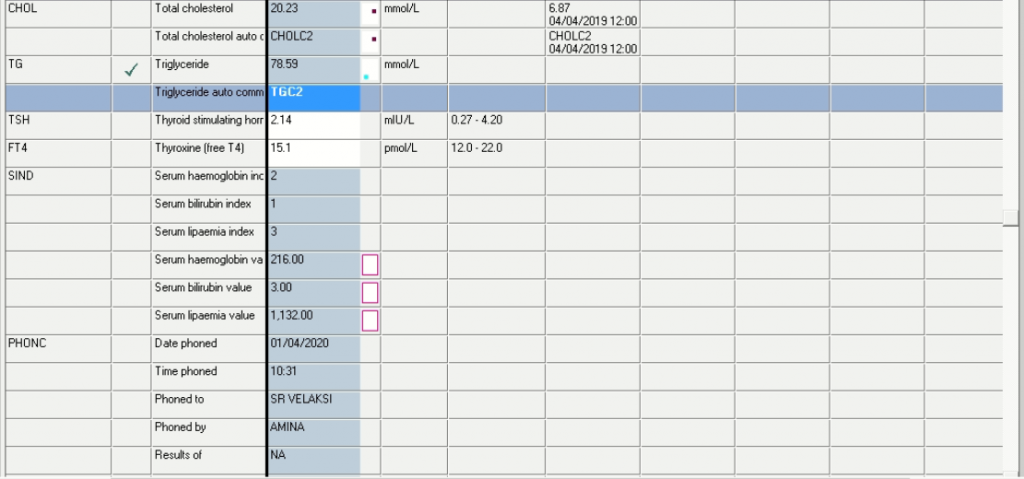
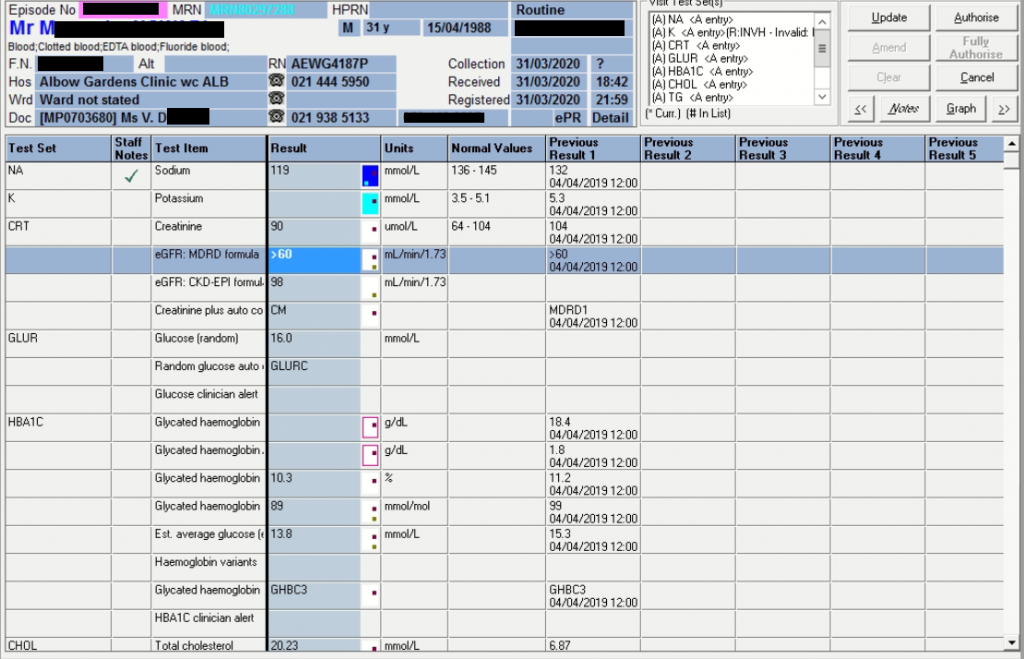
Triglycerides of 78.59 mmol/L

Lipaemia index 3 (value of 1132)

It is likely that the results as set out above was due to a routine follow-up, but unfortunately little clinical information was given by the clinician.

History

The patient is hypertensive and diabetic on treatment since 2018. No other clinical information was given and the drug list was not supplied.

Examination

N/A – No signs and symptoms obtained.

Laboratory Investigations

Other Investigations

We would have loved to do lipid electrophoresis and see better investigations into the cause of the diabetes, but at the time of writing, 14/05/2020, the patient has unfortunately not had the opportunity to follow-up and it can unfortunately not be shown.

In an adult diabetic one would however expect the lipid electrophoresis to be that of a Fredrickson type V.

Fredrickson classification of hyperlipidaemias | Download Table

Hyperlipoproteinemia type V, also known as mixed hyperlipoproteinemia, familial or mixed hyperlipidemia, is very similar to type I, but with high VLDL in addition to chylomicrons.

It is also associated with glucose intolerance and hyperuricemia.

Final Diagnosis

Considering most factors known, and as explained via feedback from Prof. Marais below, diabetes is likely type 2 related to insulin resistance. One should also consider metabolic errors such as glucokinase deficiency causing MODY. Other causes, but unlikely, are endocrine pancreatic insufficiency which could include mitochondrial defects or herbicide-induced diabetes or (post-traumatic) excision of tail of pancreas.  HbA1c shows prolonged exposure to high glucose concentrations: 10.3% and 11.2% the year before.

Take Home Message

The following were my thoughts on causality of the high triglycerides initially:

Increased intake:

  • Overeating (unlikely for this high Triglyceride level), that is why one has lipoproteins – to keep the fat in the blood low and store the fat in liver and tissues.
  • Excess alcohol consumption, but I’m also not sure (wasn’t sure) if excess alcohol will raise triglycerides this high – it likely may (after prof’s email I think this is very likely the main cause in this patient).

Increased production:

  • Kidney failure (nephrotic syndrome) (Prot: Creat ratio will likely exclude this – if borderline, a protein electrophoresis can be done).

Decreased metabolism:

  • Some forms of familial hyperlipidemia such as familial combined hyperlipidemia
  • Lipoprotein lipase deficiency
  • Lysosomal acid lipase deficiency (aka cholesteryl ester storage disease)
  • Hypothyroidism (TFT’s normal in this patient though)
  • SLE
  • Glycogen storage disease type 1  –> NAFLD (non-alchoholic fatty liver disease)

Drugs:

  • Isotretinoin, Thiazides,
  • Apparently some HIV meds.

How to further test:

Lipid electrophoresis will delineate the Fredericksen Class.

Familial combined hyperlipidemia:

Lipid electrophoresis will show lipoproteinemia type IIB.  

LPL deficiency:

Lab tests show massive accumulation of chylomicrons in the plasma and corresponding severe hypertriglyceridemia. Typically, the plasma in a fasting blood sample appears creamy (plasma lactescence).

The absence of secondary causes of severe hypertriglyceridemia (like e.g. diabetes, alcohol, estrogen-, glucocorticoid-, antidepressant- or isotretinoin-therapy, certain antihypertensive agents, and paraproteinemic disorders) increases the possibility of LPL deficiency.  Also other loss-of-function mutations in genes that regulate catabolism of triglyceride-rich lipoproteins (like e.g. ApoC2, ApoA5, LMF-1, GPIHBP-1 and GPD1) should also be considered.  (remember our case – I won’t mention her name though, patient’s name begins with a K… and ends with …ana).

The diagnosis of familial LPL deficiency is finally confirmed by detection of either homozygous or compound heterozygous pathogenic gene variants in LPL with either low or absent lipoprotein lipase enzyme activity (Jody and I have done this assay with Bharati and Prof once for above patient).

Lysosomal acid lipase deficiency (LAL-D) (aka cholesteryl ester storage disease) – Unlikely – would rather present earlier – the accumulation of fat in the walls of the gut in early onset disease leads to serious digestive problems including malabsorption, the gut fails to absorb nutrients and calories from food. Because of these digestive complications, affected infants usually fail to grow and presents with failure to thrive.  As the disease progresses, it can cause life-threatening liver dysfunction or liver failure). Until 2015, apparently there was no treatment (not sure if this is true though), and very few infants with LAL-D survived beyond the first year of life.

I think the clinical presentation and examination and history is much needed before any further investigations are advised.  

Also, one should appreciate the size difference which is partly responsible for the electrophoretic mobility of lipoproteins on a gel.

DISORDERS OF LIPOPROTEIN METABOLISM - DISORDERS OF THE VASCULATURE ...
Lipoprotein size illustration

Feedback from Prof. David Marais:

Hi Dieter

Thanks for distributing the interesting case information. The patient is at very high risk of developing acute pancreatitis. Hopefully the medical officer will be able to get in touch with the patient and urgently:

  • (1) control diabetes mellitus and
  • (2) restrict dietary fat intake to 10g/d for a few days whereafter 30-40g/d.
  • (3) restrict alcohol intake to preferably zero or certainly <20g/d.
  • (4) prescribe fibrate.
  • (5) Referral to the lipid clinic – unfortunately may take time owing to shut-down of out-patients clinics in the precautions against corona virus spread.

Such severe hyperTGaemia seen in the neonate, infant or child is most likely due to an error in the lipolytic system and all of these are recessively inherited. LPL deficiency is the commonest but there may also be apoCii, apoAv, GPIHBP1 or LMF1 deficiency.  In adolescent and young adults the same causes apply but also auto-immune LPL inhibition. In these cases all the agarose gel electrophoresis for lipoprotein separation will display a type I pattern. The highest TG conc I have seen in a patient was 695mmol/L and at 6 weeks of age.

In adults the lipoprotein electrophoresis pattern will usually be a type V. Here, there is usually partial lipase deficiency (often polygenic heterozygotes of LPL system components) and a dietary or metabolic stress. Diet containing triglycerides in large amounts and alcohol.  Metabolic stress is mostly diabetes with increased return of NEFA to the liver and export as VLDL. Occasionally, apoE2/2 status with impaired remnant clearance can have a backlogue effect to raise VLDL and chylomicrons. Rarely, in partial lipodystrophies the adipose tissue does not take up NEFA from LPL and the liver puts out more VLDL which competes with chylomicrons for lipolysis. Typically this is associated with diabetes as well. Significant hypothyroidism and renal impairment appear to be excluded as potential secondary causes.

The results indicate long-standing diabetes and hyperlipidaemia. There is likely pseudohyponatraemia. This is because the aqueous part of the aliquot for analysis can be significantly less than the whole volume. The response is to do highspeed or ultracentrifugation so that the lipid can float and the infranatant plasma can be best analysed. Obviously, the whole plasma should be first assayed (in dilution with saline) to be certain of the TG concentration. Alternatively, the lipid volume can be calculated by converting the mmol/L of TG + CE + phospholipid to mass/L and then using the specific gravity of 0.92 g/mL to obtain the volume correction. For practical purposes only the TG and cholesterol values may be used as we do not routinely measure the phosphatidyl choline. Average MW of TG =850da, of CE = 650da, of PL = 750da.  Note that usually 70% of cholesterol is esterified. Cholesterol MW = 387da.

Per L, TG of 79mmol/L is 67g,   CE of 14mmol/L is 9g, total lipid is 85g.

Each g being 1.09mL, makes this 92.4g/L or 9.24g/100mL. This means that the aqueous portion of the aliquot is about 10% too low. This makes the calculated Na+ concentration about 131mmol/L which is still not normal but certainly closer to the reference range.  But the calculation is not highly accurate; partly because PL has not been taken into account; unesterified cholesterol is quantitatively less important.

Diabetes is likely type 2 related to insulin resistance but at this age and especially if dominantly inherited, consider metabolic errors in MODY such as glucokinase deficiency. Unlikely endocrine pancreatic insufficiency which could include mitochondrial defects or herbicide-induced diabetes or (post-traumatic) excision of tail of pancreas.  Not certain if patient is on IV line that could provide lipid (Intralipid in parenteral nutrition) or glucose. Regardless, HbAic shows prolonged exposure to high glucose concentrations.

Regards

D

Professor Emeritus  AD Marais

Chemical Pathology 6.33 Falmouth Building

University of Cape Town Health Sciences

Anzio Rd, Observatory, 7925

Cape Town, South Africa


Section 12.2 – My Job Description


Section 12.1 – Declaration


Section 11.1 – Signature Page


Section 10.4 – FC Path (SA) Chem Exam Guidelines


Section 10.3 – Letter of Support to CMSA


Section 10.2 – FC Path (SA) Chem Part 1 Pass Letter

The Part I examination, with a pass mark of 50% comprises two 3-hour closed–book written examination papers with a subminimum of 50% (ie candidates need to attain 50% in each paper).
Paper 1 contain MCQs and short answer questions.
Paper 2 is a mixture of cases, calculations and OSPEs.
Current format for Part I
Paper 1: 75 MCQs and 75 Short answer questions (2 x 75 marks = 150 marks).
Paper 2: 8 cases (40 marks); 6 OSPE questions (30 marks); 6 calculations (30 marks); Total = 100 marks.

Pass Letter


Section 10.1 – Assessments

Date Type Details
February 2019 Written assessment Paper 1: Essay questions (3hrs) Paper 2: Short answer questions (3hrs)
February 2019 Written assessment Paper 1: Essay and short answer questions (3hrs) Paper 2: Calculations, OSPE, Cases (3hrs)
February 2019 FC Path(Chem) Part 1 Examination Passed
June 2020 Written assessment Paper 1: Short answer questions, Cases, OSPE and Calculations
June 2020 Written assessment Paper 2: MCQs, Calculations, Cases, OSPE
June 2020 Written Practical Paper 3: Method Comparison
November 2020 Written assessment Paper 1: Short answer questions, Cases, OSPE and Calculations
November 2020 Written assessment Paper 2: MCQs, Calculations, Cases, OSPE
November 2020 Written Practical Paper 3: Method Comparison
November 2020 Wet practical Practical: total protein measurement with a method comparison scenario
June 2021 Written assessment Paper 1: Short answer questions, Cases, OSPE and Calculations
June 2021 Written assessment Paper 2: MCQs, Calculations, Cases, OSPE
June 2021 Written Practical Paper 3: Method Comparison
June 2021 Wet practical Practical: Mock practical exam and oral in a similar format to the CMSA exams
July 2021 Part 2 Written assessment Paper 1: Laboratory management: Short answer questions and long answer questions with MCQ’s – awaiting confirmation
July 2021 Part 2 Written assessment Paper 2: Pathophysiology: Short answer questions and long answer questions with MCQ’s – awaiting confirmation

February 2019

June 2020 – Departmental Assessment

November 2020 – Departmental Assessment


Section 9.5 – Examples of Practicals


Section 9.4 – Standard Operating Procedures Followed

  1. Thin Layer Chromatography
  2. Plasma Free fatty acid analysis
  3. Deproteinising of samples
  4. Made PBS
  5. Manual Nucleic acid extraction
  6. PCR setup
  7. Restriction enzyme digest
  8. Agarose gel electrophoresis
  9. Checking gel
  10. DNA “clean-up” for sequencing
  11. Sanger sequencing with a capillary gel electrophoresis


Section 9.3 – Registrar Pack


Section 9.2 – Standard Operating Procedures Written

See Addenda or download below:


Section 9.1 – Methods and Practicals Performed

METHOD Performed Observed Neither
Basic spectrophotometry Yes    
Making solutions Yes    
Standard curve Yes    
pH measurement Yes    
Agarose electrophoresis Yes    
CZE   Yes  
Serum osmolality Yes    
Glucose tolerance test  Yes  
Sweat test   Yes  
Creatinine-serum & urine Serum – Yes   Urine
Total protein Yes    
Bilirubin     X
Albumin Yes    
Enzyme assay Yes    
Enzyme kinetics Yes    
Blood gases Yes    
SDS electrophoresis    X
Solvent extraction Yes    
Thin layer chromatography Yes    
Radioimmunoassay    X
ELISA Yes    
Porphyrin Lab Yes  
Quality control Yes    
Method comparison study Yes    
Atomic absorption     X
PCR Yes    
DNA extraction Yes    
Table 9.1.1 – Methods Performed


Section 8.3 – Clinic Attendance

Lipid Clinic

Fridays February / March 2018

Prof David Marais & Prof Dirk Blom

We visited the Lipidology Clinic where Prof. Blom and Prof. David Marais sees the referred patients to the lipidology clinic. The patients seen here are referred generally due a suspected disorder of lipid or lipoprotein metabolism. It is a pity that more time cannot be spent mastering the clinical skills of lipidology in this clinic. The main indication for referral to this clinic is when pateints have a total cholesterol >7 mmol/L.

All patients initially gets a lipid electrophoresis (on agarose gel) to classify then according to the Fredericksen Classification (along with their lipogram).

I sat in with Prof. Marais on a few occasions where I learned the importance of thorough, structured history taking, including details of diet and exercise, as well as creating a pedigree to trace the family history. These are particularly important in dyslipidaemias which impacted significantly by both genetics and lifestyle.
Thorough history taking can assist to determine the degree to which each is contributing to the phenotype, and also helps with lifestyle counselling for disease
management. I also learned to appreciate the difference between a normal Achilles’ tendon and a thickened one, as well as examining for sterol deposits around the eyes (xanthelasma), in body folds and around joints (xanthomata).

Lipid Post-clinic case presentations

2018 – 2021

Prof David Marais & Prof Dirk Blom

Each of the clinicians that works in the lipid clinic presents the new patients that they saw, as well as the follow-up cases. The group discusses the new cases and comes to an agreement about the possibilty of familial hypercholesterolaemia, possible genetic background, and which drugs, at what doses, are most appropriate. Owing to Prof. Marais’ many years of experience, and ours being the only specialist lipid clinic and laboratory in the Western Cape, Prof. knows many of the families that are affected by FH and which mutations run in those families and in specific genetic pools within our population. A lot of clinical trials involve our patients, so we also hear up-to-date news on the latest developments in therapy.

Endocrine Ward Round

2018

Prof Dave Joel

A colleague and I asked whether we could join Prof Joel Dave on their Friday morning ward rounds. This was a very insightful experience as we could see the daily queries and consultations requested to review by an endocrinologist. We have learnt the importance of managing diabetes mellitus as it was the single most consulted endocrine disorder – also likely the most important non-commnicable disease on the rise. We have seen various cases in almost all the wards of the hospital, ranging from a patient with a recent radio-ablation of the thyroid, various cases of type 2 diabetes, a pregnant patient with diabetes for optimization of the insulin dose and a patient with Grave’s Disease. It was amazing to see with which care and confidence the clinicians handle the patients.

Endocrine Patient Presentations – Paper ward rounds

every Friday at 14h00

Prof Joel Dave, Prof Ian Ross

Every Friday, the adult and paediatric endocrinologists come together to discuss patients that present management or diagnostic dilemmas. The chemical pathologists and registrars are invited to assist with the diagnostic element and it’s another valuable opportunity for us to have closer contact with the patients. Sometimes, but rather rarely, we do go to see the patients at the bedside. I was involved in the discussion of a few of patients with a variety of fascinating diagnoses and dilemmas, including disorders of calcium metabolism, glycogen storage disease, complex cases of type I diabetes, including the issues that arise in adolescence.

There were cases of various types of Cushing’s syndrome, central and nephrogenic diabetes insipidus, disorders of sexual differentiation, lipid metabolism defects, growth hormone deficiency and acromegaly. What I enjoyed about these paper rounds is that we would become thoroughly involved in the discussions and decisions about the next diagnostic step and I feel we really added value in real-time. It was much better than consulting over the phone, because we were able to look at laboratory and imaging results together, and hear all the questions and discussions. When we consult over the phone, we miss out on a lot of that background discussion and problem-solving.

Paeds Endocrine Clinic – Red Cross Children’s Hospital

Monday Mornings

Dr. M. Carrihill and Dr. A Ramcharan

I visited the endocrine clinic a few mornings when the endocrinologists had interesting cases. I have become the “go-to” person for organizing urinary steroid profiles in the Western Cape region, with the contacts I have made with laboratorians at the WADA-SADoCoL laboratory in the Free State. Sometimes when children with disorders of sexual differentiation presents, I am consulted on the possibility of sending these special tests for analysis. After a few analyses, we realized that these tests are only useful to confirm 5-alphareductase deficiency in older children, using the testosterone:dehidrotestosterone ratios. The sensitivity of the other urinary analytes, present in low amounts in pediatric urine, namely 5-alpha: 5-beta THF and androsterone : aetiocholanolone was unfortunately not good enough.

Unfortunately it is was not easy to get the time to regularly attend these meetings as we also have our regular Journal club and staff meetings on Mondays.

Dynamic Tests

  • OGTT for diabetes
  • OGTT for acromegaly
  • Clonidine stimulation test
  • hCG stimulation test
  • Water deprivation test
  • Overnight fast for hypoglycaemia
  • Low dose dexamethasone suppression test
  • Synacthen stimulation test

These dynamic tests are fairly often requested at our laboratory. The chemical pathology registrar on call is responsible for taking the clinician’s call, organizing that the clinician is well-informed of which samples should be taken and also to liaise with the clinician if results need to be phoned out, or if additional samples are necessary. We are also responsible to obtain the history and clinical scenario and ensure that the appropriate tests are done, at the appropriate time. These tests, although usually requested by endocrinologists at our laboratory, are often requested by younger clinicians, or clinicians not fully aware of the caveats with doing these tests. To give an example, we have had a few requests for a ADH (vasopresssin) lever. It is unfortunate that we do not have the option to measure this analyte, neither would it likely be very specific to disease due to the short half life. Nonetheless it is then our responsibility to inform the clinician of the water deprivation test and assist with a suitable protocol to perform the test. Similarly, an overnight fast for hypoglycaemia is usually planned well in advance with us on board with the advisements on minimum sample volumes and ensuring the correct tests be done under the correct conditions and sent to the correct laboratory.

Near-Patient Tests

Sweat Test

The whole procedure of the sweat test from start to finish requires a fair amount of time, so I wasn’t able to follow many of these patients. I did spend a day with our technologist at Red Cross Children’s hospital, Ms Sandy Kear, when we did sweat tests on 4 patients that day. One out patient and three patients in the ward. It is interesting that such a laborious test remains the gold standard for diagnosing cystic fibrosis. One expects the collection of sweat and manual handling of samples to result in significant variability in results, but clearly the differential in results between normal and abnormal is sufficient to withstand this variability. I was also involved in repairing one of the newer iontophoresis machines for the Macroduct, a variation on the Whatmann paper sweat collection method. See my case of 3D printing in the laboratory for more information. I was also involved in the EQA for the chloride measurement. See Record of Rotations for more information.

Selective arterial calcium stimulation test (Calcium gluconate infusion test)

Patient experienced hypoglycaemic episodes associated with elevated insulin. CT scan could not localise a tumour. SACST was performed. This procedure is much simpler than a BIPSS in terms of administration, but with all of these procedures, great skill is required in the correct placement of the catheter to obtain valid results. The results showed an elevated insulin response to calcium infusion in the superior mesenteric artery and splenic artery, but minimal response in the gastroduodenal artery. This suggested an adenoma in the body/tail of the pancreas. Ultrasound-guided surgery was planned, with the intention of a local resection if possible.

Bilateral adrenal vein sampling

Since I have had exposure to the Calcium stimulation test, and due to space restrictions, I could unfortunately not see first-hand this procedure. I was however well informed by the single colleague who was allowed into the CathLab to help with specimen logistics, about the procedure. See my short case on hyperaldosteronism for more details. There were two of these cases on one day. It did appear that the interventional radiologists could not adequately canulate the right adrenal vein, a commonly encountered problem.

Bilateral inferior petrosal sinus sampling

Even though also not directly involved in the theatre, I’ve been informed by colleagues various times about this procedure which has been done just before I arrived in the department. The patient was diagnosed with Cushing’s disease via a private laboratory. Colleagues assisted by preparing all the tubes and ice before the procedure, and were involved in the coordinated collection of samples at the different time points from each anatomical location. ACTH secretion was stimulated with ddAVP, but the ratio of central to peripheral ACTH secretion was not diagnostic of pituitary Cushing’s disease. Therefore, ectopic ACTH syndrome was diagnosed. This appears to be a very involved procedure and requires the presence of a multidisciplinary team to ensure everything is done correctly. After the Calcium stimulation test I have assisted Prof. Beningfield with, I wish I could see this procedure from him too – one of the legends of the radiology department.


Section 8.2 – Evidence of Clinical Case Learning (Short Cases)


Section 8.1 – Evidence of Clinical Case Learning (Long Cases)


Section 7.7 – Laboratory Business Plan Presentation

At the Laboratory Management course, attended virtually at the University of Stellenbosch, our task was to give a presentation of our business plan.

The task was as follows:

You are the head of an accredited academic pathology laboratory (you have to annually sustain its accreditation status) at a large 1000 bed teaching hospital in one of the developing countries in Africa. You are in charge of providing laboratory tests to a population of 3 million people who are spread out (large urban and rural pockets). In addition to providing a comprehensive tertiary quality service you also teach undergraduate students and train postgraduate specialists. One of your other duties is to carry out research and ensure research outputs that are of international standard as well as supervise postgraduate students and apply for large grants to support these projects. Your academic laboratory closely works with the medical faculty and the Medical Research Council of your country. There are 2 private pathology laboratories who also compete with your laboratory for proving a service. You are also expected to provide community services and cover the province in which your laboratory is located. As part of the 5 year service and academic plan you have been asked to develop a strategic plan for your department for the next five years. Your team will present this plan for discussion and approval
You are divided into 5 groups. Each group will make a presentation at the end of the course on Thursday afternoon (05/11/2020) and your presentation will be assessed. Each presentation will last for 20 mins and will take the form of a group presentation in which all members of your group will present various aspects of the strategic plan. Group discussion time must be used for this activity.

GROUP ASSIGNMENT, DISCUSSION AND FINAL PRESENTATION

We were a multi-disciplinary team, consisting of 2 Chemical Pathology registrars, a Hematology registrar as well as a Histopathology registrar. This task was taken on with great enthusiasm and the presentation received positive feedback. See downloadable pdf version of the presentation below:


Section 7.6 – Mmed

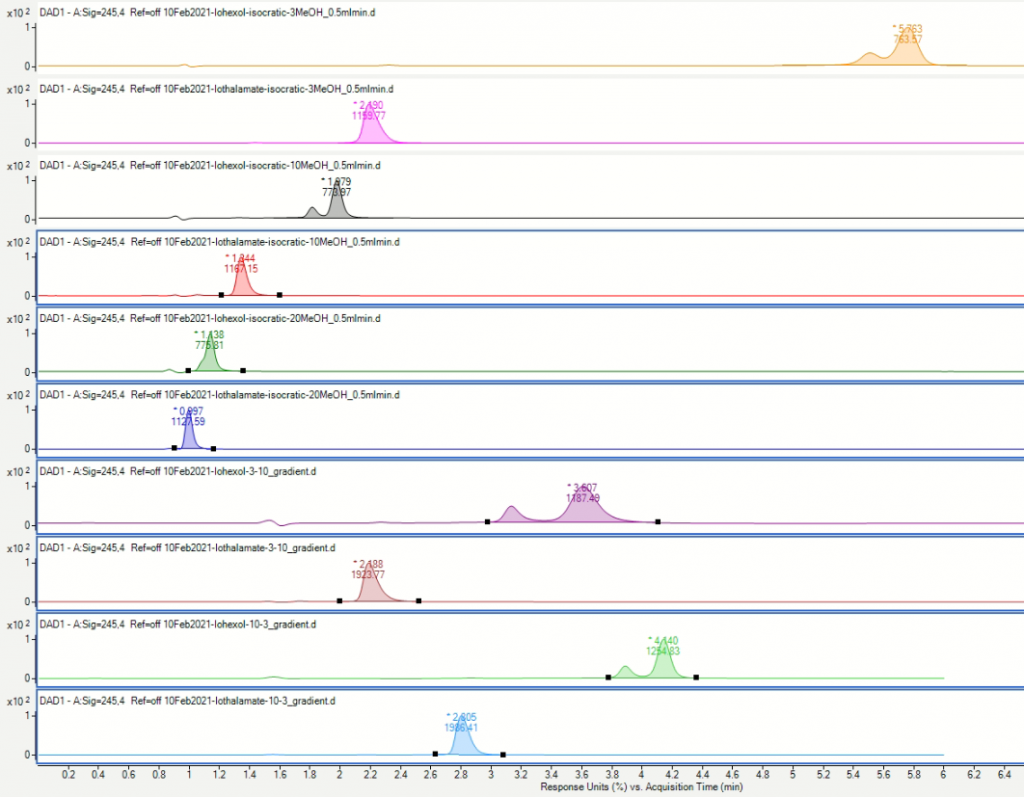
Please see addenda or download from the link below the chromatograms: